Flower Floral Plant Review for Real Embroidery Projects
As a designer who has spent years turning digital files into tangible, stitched treasures, I know that the difference between a good project and a great one often comes down to the design itself. Today, I am putting Flower Floral Plant through its paces to see if it holds up when moved from a screen to a needle. This isn't just about looking pretty in an Illustrations category; it is about how this piece performs when you are under the hoop, trying to create a finished product that your customers will love.
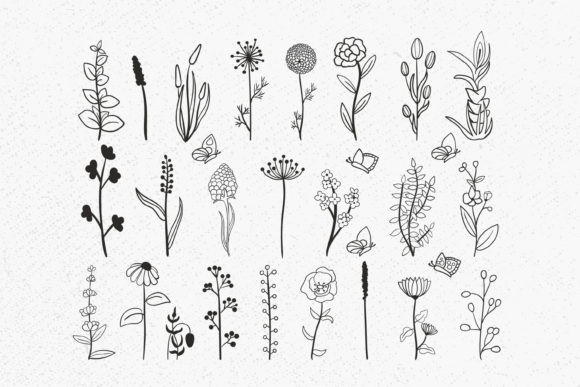
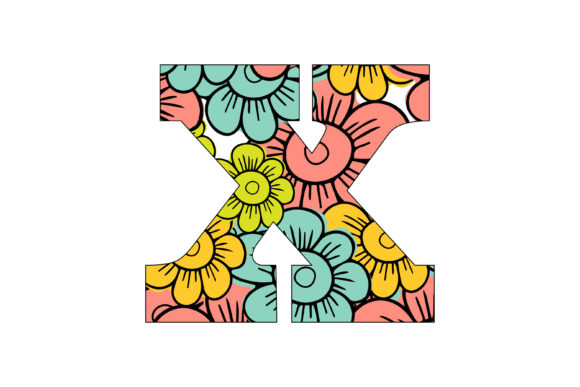
The first thing you notice with Flower Floral Plant is its organic flow. It doesn't feel stiff or overly rigid, which is a common pitfall in many machine embroidery designs. The layout suggests a natural growth pattern, making it perfect for adding a touch of elegance without overwhelming the garment or item it adorns. When I first opened the file, I immediately thought about where this would shine brightest. It feels like a design meant for soft, welcoming spaces rather than harsh industrial settings. The visual personality is gentle yet confident, suggesting it belongs on items that require a personal touch.
Let me walk you through a real scenario I recently encountered while preparing for a small boutique order. I needed a custom embroidered tote bag for a client's new line of artisanal soaps. The client wanted something that screamed "handmade" but still looked professional enough to sell at a high-end craft fair. I pulled up Flower Floral Plant as a candidate. The floral theme fit the soap aesthetic perfectly, but the question remained: would it stitch cleanly on canvas?
When I tested the design on a scrap of heavy cotton canvas, the results were promising. The design translates well into physical form because it avoids unnecessary clutter. In the world of embroidery file creation, less is often more, especially when dealing with complex backgrounds. However, I had to be careful with the thread colors. Because the design features delicate lines, choosing the right contrast was critical. On a dark fabric, I opted for a lighter thread palette to ensure the details didn't get lost, whereas on a light background, I used deeper tones to make the Flower Floral Plant pop. This balance is essential for maintaining the integrity of the Graphics you purchase.
Where Flower Floral Plant Fits Best in Your Business
This design is incredibly versatile, but knowing where to deploy it can make or break your profit margins. For custom apparel, such as sweatshirts or t-shirts, Flower Floral Plant works beautifully as a chest pocket accent or a centered back print. The scale is generous enough to be seen clearly but refined enough not to look like a cheap novelty item. I have also seen similar designs succeed on baby clothes, where the soft floral motif appeals to parents looking for personalized gifts.
If you are an Etsy seller or run a small shop, consider using this for home decor. A pillow cover featuring Flower Floral Plant adds a cozy, rustic charm that fits perfectly with current interior trends. Similarly, kitchen towels and aprons benefit from this kind of botanical art. Imagine a baker receiving a custom apron with this design; it elevates their uniform from functional to branded merchandise. The design also serves as an excellent base for creating embroidered patches. By trimming the edges and adding a backing, you can turn this digital asset into a sew-on accessory for denim jackets or hats.
For holiday projects, the versatility shines even brighter. Whether you are making Christmas stockings or Easter baskets, the floral element provides a timeless appeal that transcends specific holidays. It allows you to create seasonal collections without needing to constantly source new designs. The ability to use this as a digital embroidery file means you can quickly adapt it for various seasons by simply changing the thread colors.
Pitfalls to Watch Out For
While Flower Floral Plant is a strong contender, no design is without its challenges. One area to exercise caution is the hoop size. If you attempt to stitch this on a very small hoop, you might find that the finer details become compressed or distorted. Always check the dimensions before committing to a small project. Additionally, textured fabrics can sometimes hide the intricate parts of the design. If you are working with a heavily woven linen or a fuzzy fleece, the stitches might not sit flat, leading to a less polished finished product.
Thin or stretchy fabrics present another hurdle. Without proper stabilization, the tension required to stitch Flower Floral Plant could cause the fabric to pucker or warp. This is particularly important for commercial embroidery where consistency is key. If you are working on curved surfaces like caps, the design may need to be resized or adjusted to follow the curvature of the hat correctly. Flat surfaces generally yield the best results for this type of machine embroidery design.
Dense stitch areas within the design can also be tricky. If the stitch density is too high, the fabric underneath may become stiff, affecting the drape of the final item. This is a crucial consideration for garments that need to remain comfortable against the skin. Always inspect the design for potential density issues before running a full production batch.
Professional Designer Notes for Success
To get the most out of Flower Floral Plant, I recommend starting with a test run on scrap fabric. This simple step can save you hours of rework and wasted materials. Pay close attention to the thread colors you choose; they should complement the fabric texture rather than clash with it. Using a stabilizer that matches the weight of your fabric is non-negotiable for achieving crisp edges and clean lines.
Before launching a new product line, review the stitch types involved. Does the design rely heavily on satin stitch for outlines, or does it use fill stitch for the petals? Understanding the construction helps you anticipate how the design will wear over time. Designs with excessive running stitch in tight clusters might snag more easily, which is a factor to consider for items that require frequent washing.
It is also vital to confirm your licensing terms. While Flower Floral Plant offers multiple formats including AI, EPS, and SVG, these files are intended for specific uses. Ensure you understand whether you can sell the finished embroidered items or if the license restricts commercial use. For craft business owners, clarity here prevents legal headaches down the road.
Finally, don't underestimate the power of mockups. Before you commit to a large order, create printable mockups to show your clients how the design will look on different products. This helps manage expectations and builds trust. By testing Flower Floral Plant across various backgrounds and fabrics, you can determine exactly where it fits best in your portfolio. Whether you are a hobbyist looking to make a unique gift or a seasoned entrepreneur scaling your Etsy seller shop, taking the time to evaluate the design ensures your final output is nothing short of professional.