Botanical Floral: A Designer's Real-World Embroidery Review
As a designer who has spent years stitching through everything from delicate silk to heavy canvas, I approach every new download with a mix of excitement and skepticism. The market is flooded with vector assets, but few translate seamlessly into the tactile reality of machine embroidery design. Today, I am putting the Botanical Floral graphic through its paces. This isn't just about looking pretty on a screen; it is about how those lines hold up under the needle, how they feel in your hand, and whether they can stand as a professional asset for your small business or personal craft projects.
The First Impression: Mood and Visual Personality
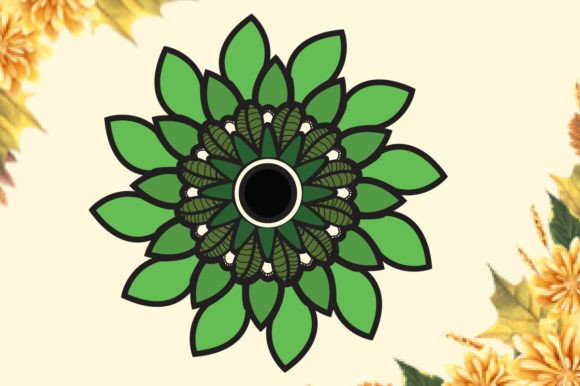
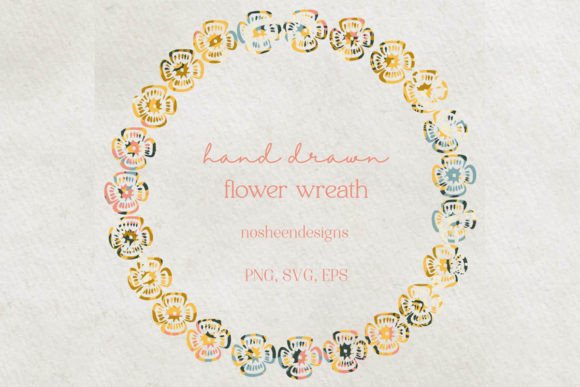
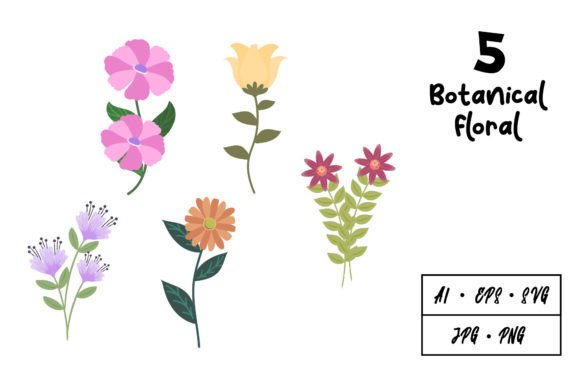
When you first open the Botanical Floral vector file, the immediate feeling is one of organic flow. Unlike rigid geometric patterns that often look stiff when converted to stitches, this design breathes. It possesses a soft, naturalistic personality that suggests growth, freshness, and timelessness. The layout feels balanced without being perfectly symmetrical, which is crucial for high-end embroidery where perfection can sometimes feel artificial.
The detail level strikes a necessary balance. It offers enough texture to create visual interest but avoids becoming a tangled mess of threads. For an embroidery project intended for commercial use or a high-value handmade product, this clarity is vital. It creates a mood that fits effortlessly into modern farmhouse aesthetics, boutique branding, or gentle nursery decor. It does not scream for attention; instead, it invites the viewer to lean in and appreciate the craftsmanship.
Real-World Application: From Screen to Stitch
To truly understand the potential of Botanical Floral, we must move beyond the digital preview and imagine it on actual materials. Let us say you are preparing for a busy holiday season and need custom embroidered tote bags for a local artisan market. You want something that screams "handmade" but looks polished enough to justify a premium price point.
In this scenario, Botanical Floral performs admirably. The flowing lines work beautifully on the sturdy cotton canvas of a tote bag. When stitched with a medium-weight polyester thread, the design gains a subtle sheen that elevates the fabric. It transforms a simple accessory into a statement piece. Similarly, consider a sweatshirt embroidery application for a cozy winter collection. The design's organic shapes allow for generous fill stitch areas that provide warmth and texture against the fleece, creating a finished product that feels substantial and well-made.
For Etsy sellers and creative entrepreneurs, the versatility of this graphic is a significant advantage. It translates well across various categories, from baby embroidery on soft muslin onesies to holiday embroidery on kitchen towels. The vector nature of the source file means you can resize the digital embroidery file to fit a tiny cap patch or expand it for a large pillow cover without losing quality. This scalability is essential for maintaining brand consistency across different small shop products.
Where to Exercise Caution: Technical Limitations
While Botanical Floral is a strong candidate for many applications, no single design is a universal solution. As an experienced reviewer, I must highlight specific scenarios where caution is required. If you are working with a very small hoop size, such as those used for hat embroidery or jewelry boxes, the intricate details of the botanical elements might get lost or become distorted during digitization.
Textured fabrics present another challenge. While the design works well on smooth surfaces like twill or sateen, applying it to highly textured materials like bouclé or thick chenille can obscure the fine lines. The contrast between the thread and the fabric background becomes critical here. On dark fabrics, the design may require additional underlay or a lighter thread palette to ensure visibility, whereas on light fabrics, it shines naturally.
Stretchy fabrics, such as jersey knits used for t-shirts or activewear, demand careful consideration. The density of the stitches needs to be managed to prevent puckering. If the design features dense fill stitches, it may pull on the fabric over time, leading to a misshapen appearance after washing. Additionally, curved surfaces like caps can distort complex layouts if not stabilized correctly. Always test the stitch density and ensure you are using the proper stabilizer to maintain the integrity of the finished product.
Impact on Brand Value and Customer Trust
In the world of handmade commerce, presentation is everything. A poorly executed design can undermine customer trust, even if the product itself is high quality. Botanical Floral contributes positively to perceived value because of its clean lines and professional aesthetic. When a customer receives a personalized gift or a boutique item featuring this design, the crispness of the embroidery signals care and attention to detail.
This design supports brand consistency by offering a recognizable motif that can be repeated across marketing materials, printable mockups, and physical goods. It helps create a cohesive identity for craft business owners who want to establish themselves as serious players in the market. Furthermore, the design's timeless nature ensures that your products do not look dated quickly, protecting your investment in inventory and digital assets.
Practical Notes for the Embroidery Designer
Before you commit to a full production run, there are several practical steps you should take to ensure success. First and foremost, always test the design on scrap fabric that matches your final material. This allows you to check thread color contrast and inspect small details for any potential issues before cutting into your actual stock.
Review the stitch types closely. Depending on how the vector is converted, you may see a mix of satin stitch for outlines and fill stitch for the leaves. Ensure that the transition between these stitches is smooth to avoid gaps or jumps. Confirm your hoop size early in the process to guarantee the design fits within your machine's capabilities. If you plan to sell finished items or digital products, verify the licensing terms explicitly. Even though this falls under Freebies and Graphics, commercial usage rights vary widely.
It is also wise to test the design in black and white mockups. This helps you visualize the density and structure without the distraction of color. Compare how it looks on both light and dark backgrounds to determine the best thread palette. Finally, remember that while the vector file is editable, the final output depends heavily on your digitization skills and machine settings. Use proper stabilizers, adjust tension as needed, and keep your needles sharp to achieve the best results.
Final Thoughts on Usability
Botanical Floral stands out as a versatile and reliable choice for designers looking to add a touch of nature to their work. Whether you are creating custom apparel, making gifts for loved ones, or building a line of commercial embroidery products, this design offers a solid foundation. Its ability to adapt to different contexts makes it a valuable addition to any library of design assets.
However, success lies in execution. By understanding its strengths and respecting its limitations, you can leverage this graphic to create exceptional handmade products that resonate with your audience. Take the time to prepare, test, and refine, and you will find that Botanical Floral is more than just a free download—it is a tool for creating meaningful, high-quality work.